Watercolor Abstract Elephant Tumbler Wrap Review
As a designer who has spent years navigating the fine line between digital art and physical thread, I approach every new machine embroidery design with a mix of excitement and skepticism. The market is flooded with generic motifs, so finding a piece like the Watercolor Abstract Elephant Tumbler Wra immediately grabs my attention. It promises something different: a fusion of organic watercolor aesthetics with the structured world of stitch density and fill stitch. Before I commit this to a client order or a handmade product listing, I need to understand exactly how it translates from screen to fabric.
The Visual Impact and Mood
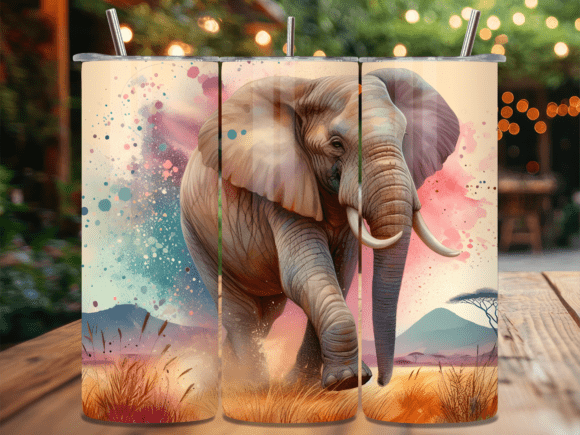
At first glance, the Watercolor Abstract Elephant Tumbler Wra feels less like a traditional animal motif and more like an artistic statement. The abstract nature of the elephant shape suggests movement and fluidity, which is often difficult to capture in thread. In a standard embroidery file, sharp lines and solid blocks of color dominate. Here, the design attempts to mimic the bleeding edges and soft gradients of watercolor paint. This creates a mood that is both whimsical and sophisticated, making it a strong contender for boutique branding or high-end personalized gifts.
When I visualize this as a finished product, I don't just see an elephant; I see a texture-rich element that could elevate a plain canvas tote bag into a conversation starter. The layout seems balanced enough to work as a central focal point, but the abstract elements suggest it could also function beautifully as a corner accent on a larger garment. For an Etsy seller looking to differentiate their shop from competitors selling basic monograms, this design offers a unique visual personality that stands out in search results and social media feeds.
Real-World Application: A Custom Project Scenario
Let’s put this to the test in a realistic scenario. Imagine I am preparing a custom order for a local nursery owner who wants a set of embroidered pillow covers for her waiting room. She wants something calming yet playful. The Watercolor Abstract Elephant Tumbler Wra fits this brief perfectly. Unlike a cartoonish elephant, the abstract style appeals to adults while remaining friendly enough for children.
In this context, I would likely choose a high-quality linen or cotton blend to complement the "painterly" look of the design. The thread colors would need to be carefully selected—perhaps soft teals, muted purples, and warm greys—to enhance the watercolor effect. If I were using this for custom apparel, specifically a heavyweight sweatshirt, the design would sit well on the chest or back pocket area. The key here is ensuring the hoop size allows the full flow of the abstract shapes without cutting off the delicate trailing details that give the design its character.
This design also shines when considered as an embroidered patch. A small business owner could produce these patches to sell as standalone accessories or to attach to denim jackets and backpacks. The abstract nature means it doesn't rely on perfect symmetry, which can sometimes forgive minor stitching inconsistencies, though professional execution is always preferred.
Navigating Technical Challenges
While the aesthetic appeal is high, practical application requires careful planning. One of the primary concerns with any design mimicking watercolors is the stitch density. To achieve that soft, blended look, the digital embroidery file likely relies on varying densities of fill stitches. If the density is too high, the fabric may pucker, especially on lightweight materials. Conversely, if it is too low, the design might look sparse or fail to cover the background fabric effectively.
I would advise against using this on thin, stretchy fabrics like jersey knit without a robust stabilizer. The tension required to stitch the intricate details could distort the fabric, ruining the clean lines of the abstract elephant. Similarly, dark fabrics present a challenge. Watercolor effects often rely on light backgrounds to show depth. Stitching this on black or navy material would require significant adjustments to the thread colors to maintain visibility and contrast.
Another critical consideration is the hoop size. Abstract designs often have irregular boundaries. If you are working with a small hoop, you risk truncating the design, which can make the elephant look incomplete or awkward. Always check the dimensions of the embroidery file before committing to a specific project. For items like caps or curved surfaces, the distortion caused by the curve might flatten the artistic intent of the watercolor effect, making it look flat rather than dynamic.
Strategic Advice for Designers and Sellers
For those looking to incorporate the Watercolor Abstract Elephant Tumbler Wra into their craft business, testing is non-negotiable. Never skip the step of running a test on scrap fabric that matches your final project material. This allows you to inspect small details, verify the running stitch quality along the edges, and ensure the satin stitch elements (if any) lie flat and smooth.
Consider creating printable mockups to showcase how the design looks on various products before you even buy the thread. This helps potential buyers visualize the finished product on a tumbler wrap, a baby blanket, or a kitchen towel. As a small shop product, the perceived value increases significantly when customers can see the design in context. It transforms a simple embroidery project into a curated lifestyle item.
Furthermore, always confirm the licensing terms before selling finished items. Whether you are creating a personalized gift for a friend or stocking inventory for a holiday sale, understanding if the design is cleared for commercial embroidery is vital. Many designers offer specific licenses for selling up to a certain number of items, which protects your business and respects the original artist's work.
Final Verdict on Design Assets
The Watercolor Abstract Elephant Tumbler Wra is a versatile asset that bridges the gap between art and utility. It offers a fresh alternative to the saturated market of standard animal motifs. When used correctly on the right fabric with proper stabilization, it delivers a premium look that enhances brand consistency and customer trust. However, it demands respect for its technical requirements. It is not a "set it and forget it" design; it requires a thoughtful approach to fabric texture, color selection, and hoop management.
If you are a hobbyist looking to create a one-of-a-kind baby embroidery piece or a professional decorator aiming to boost your portfolio with unique design assets, this design warrants a spot in your library. Just remember to test, adjust, and always prioritize the integrity of the stitch over speed. With the right execution, this abstract elephant will not just be stitched onto fabric; it will become a memorable part of the story behind your handmade creation.