Easter Egg Bunny Sippy Cup Kids Tumbler Review
A Designer's First Look at the Spring Collection
As someone who has spent years curating digital assets for my own craft business and advising fellow makers on what sells, I approach every new machine embroidery design with a critical eye. The latest addition to my library, the Easter Egg Bunny Sippy Cup Kids Tumbler, immediately caught my attention not just for its festive theme, but for its potential in the competitive world of seasonal handmade goods. When you are preparing an Etsy shop or a boutique line for spring, the difference between a generic clip-art look and a professional finished product often comes down to the quality of the underlying embroidery file.
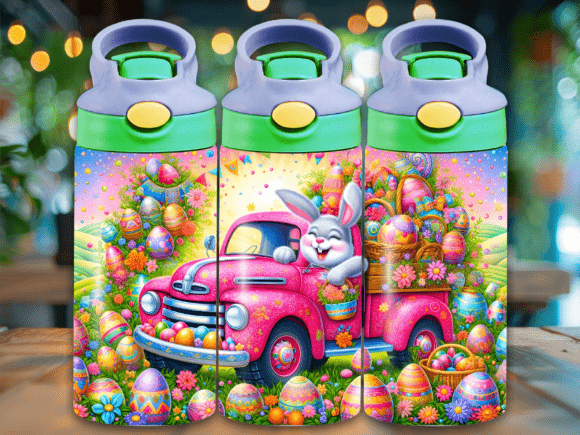
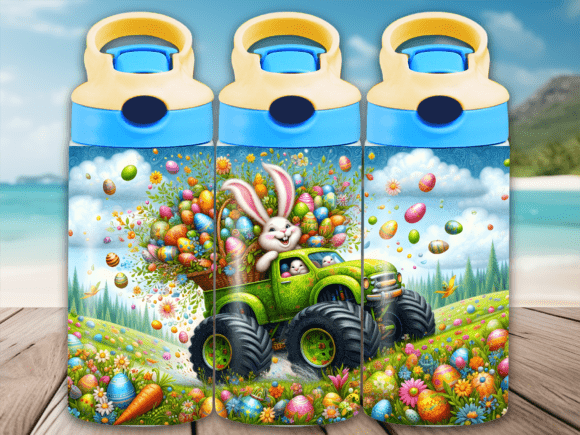
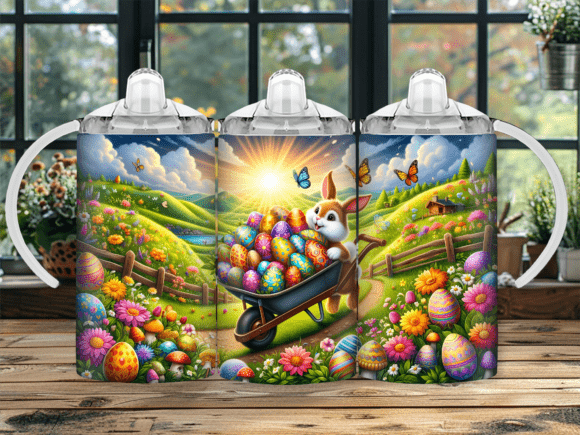
The first impression of the Easter Egg Bunny Sippy Cup Kids Tumbler is one of playful nostalgia. It captures that specific mood parents love during Easter: soft pastels, cute animal motifs, and the promise of a sweet treat. However, beyond the aesthetic charm, I needed to evaluate how this design translates from a screen into physical thread. Does it hold up under scrutiny? Is the layout balanced enough for various applications? As I opened the preview, I was assessing the visual weight of the bunny against the sippy cup shape. The composition feels tight and cohesive, suggesting it would work well as a focal point on smaller items rather than getting lost on large garments.
Testing the Design in Real-World Scenarios
To truly understand the value of the Easter Egg Bunny Sippy Cup Kids Tumbler, I imagined a real-life production scenario. Picture this: it is late February, and I am prepping inventory for the upcoming holiday rush. I need to create a set of personalized gifts for a local daycare center. My plan is to embroider these designs onto high-quality canvas tote bags and perhaps some sturdy cotton sweatshirts for the teachers. In this context, the tote bag design aspect becomes crucial. The curvature of the sippy cup in the artwork needs to translate smoothly without distorting when stitched onto a flat surface.
When considering custom apparel, specifically sweatshirt embroidery, the density of the design matters immensely. If the Easter Egg Bunny Sippy Cup Kids Tumbler relies too heavily on fine running stitch details, they might get lost in the pile of a fleece hoodie. Conversely, if the fill stitch areas are too dense, the fabric could pucker, ruining the drape of the garment. From my experience reviewing similar files, a balanced mix of satin and fill stitches usually yields the best results for baby embroidery and children's wear. This design appears to strike that balance, offering enough texture to pop against a heather gray or pastel pink background without becoming a heavy, stiff patch.
I also considered its use as an embroidered patch. For small shop owners who sell patches alongside their apparel, the clean lines of the bunny and egg elements in the Easter Egg Bunny Sippy Cup Kids Tumbler suggest it would cut out beautifully. A well-defined edge is essential here. If the design includes a built-in border or if the negative space is managed well, it creates a professional look that customers trust. Trust is currency in the handmade market; a sloppy stitch job on a holiday gift can lead to returns and negative reviews, while a crisp, vibrant design builds brand loyalty.
Navigating Fabric Challenges and Technical Constraints
While the design looks promising, every experienced designer knows that context is everything. There are specific situations where the Easter Egg Bunny Sippy Cup Kids Tumbler requires careful handling. For instance, using this on textured fabrics like linen or thick denim can be tricky. The intricate details of the bunny's face or the pattern on the Easter egg might struggle to register clearly if the fabric grain interferes with the needle path. In such cases, a heavy-duty stabilizer is non-negotiable. Without proper backing, the threads may sink into the weave, resulting in a muddy appearance.
Another area of concern is small hoop sizes. If you are attempting to fit this entire composition into a 4x4 inch hoop for a cap or a small pillow cover, you risk overcrowding. The hoop size must accommodate the full width of the sippy cup and the bunny ears without truncation. If you must resize the design, be aware that reducing the scale too much can cause the thread colors to blend together, losing the distinct separation between the egg patterns and the bunny fur. Always check the maximum dimensions before committing to a project.
Furthermore, consider the durability of the final item. Products like kitchen towels or aprons undergo frequent washing. The stitch density of the Easter Egg Bunny Sippy Cup Kids Tumbler must be robust enough to withstand agitation in the wash without unraveling. Satin stitches, while beautiful, can sometimes snag on rough surfaces or fray over time if not anchored correctly. For items that will see heavy use, I recommend testing the design on a scrap piece of the actual fabric first. This simple step saves hours of frustration and wasted materials later.
Maximizing Visual Appeal and Commercial Value
The ultimate goal of any commercial embroidery project is to create a product that stands out on a shelf or in a digital storefront. The Easter Egg Bunny Sippy Cup Kids Tumbler has strong potential here because it taps into a specific, high-demand niche: spring baby showers and Easter baskets. The visual appeal lies in its ability to convey warmth and festivity instantly. When placed on a white onesie or a cream-colored apron, the contrast of the colorful threads makes the design sing.
For the Etsy seller or digital product seller, the versatility of this design is a key selling point. It can be marketed as part of a larger collection of design assets for spring. However, presentation is key. Before listing your handmade product, create a printable mockup that shows the design on various backgrounds. Test it in black and white to ensure the tonal values are distinct, then compare light and dark fabric backgrounds to see how the colors shift. This level of preparation demonstrates professionalism and helps buyers visualize the personalized gift they are purchasing.
Brand consistency is another factor. If your shop specializes in modern, minimalist nursery decor, the whimsical nature of the Easter Egg Bunny Sippy Cup Kids Tumbler might feel out of place unless styled carefully. Conversely, if your brand focuses on cheerful, traditional crafts, this design fits perfectly. It enhances the overall narrative of your shop, signaling to customers that you offer thoughtful, seasonally relevant items.
Final Checklist for the Makers
Before you download the file and start stitching, run through this practical checklist to ensure success:
- Test on Scrap Fabric: Never skip this. Stitch the design on a piece of the exact fabric you plan to use to check for puckering and color accuracy.
- Verify Hoop Size: Ensure your machine's hoop can accommodate the full design width without cropping important details.
- Check Thread Colors: Confirm that the thread palette matches your available inventory or budget. Some specialty pastel shades can be expensive.
- Inspect Small Details: Zoom in on the digital preview. Are the eyes and ears defined enough? Tiny features often disappear in thread.
- Review Licensing: Always confirm the licensing terms before selling finished items or reselling the digital embroidery file. Most commercial licenses allow you to sell the stitched product but prohibit sharing the file itself.
- Use Proper Stabilizer: Match the stabilizer type to your fabric weight. Tear-away works for stable fabrics, while cut-away is better for stretchy materials.
In conclusion, the Easter Egg Bunny Sippy Cup Kids Tumbler is a solid addition to a maker's toolkit, provided it is used with intention and technical care. It offers a charming aesthetic that resonates with the spring market, but like any embroidery project, its success depends on the skill of the decorator and the quality of the execution. Whether you are creating a single personalized gift for a grandchild or stocking up for a busy craft fair season, taking the time to test and refine your process will ensure your finished product meets the high standards your customers expect.